


The Philippines took a major step toward strengthening its industrial future as the Department of Trade and Industry (DTI) successfully mounted the Tatak Pinoy Expo 2026, from May 25 to 27, 2026 at SMX Convention Center, Mall of Asia (MOA) Complex, Pasay City. The three-day strategic showcase marked a significant milestone in the roll-out of the Tatak Pinoy Strategy (TPS) and served as a key platform for advancing globally competitive Filipino industries.
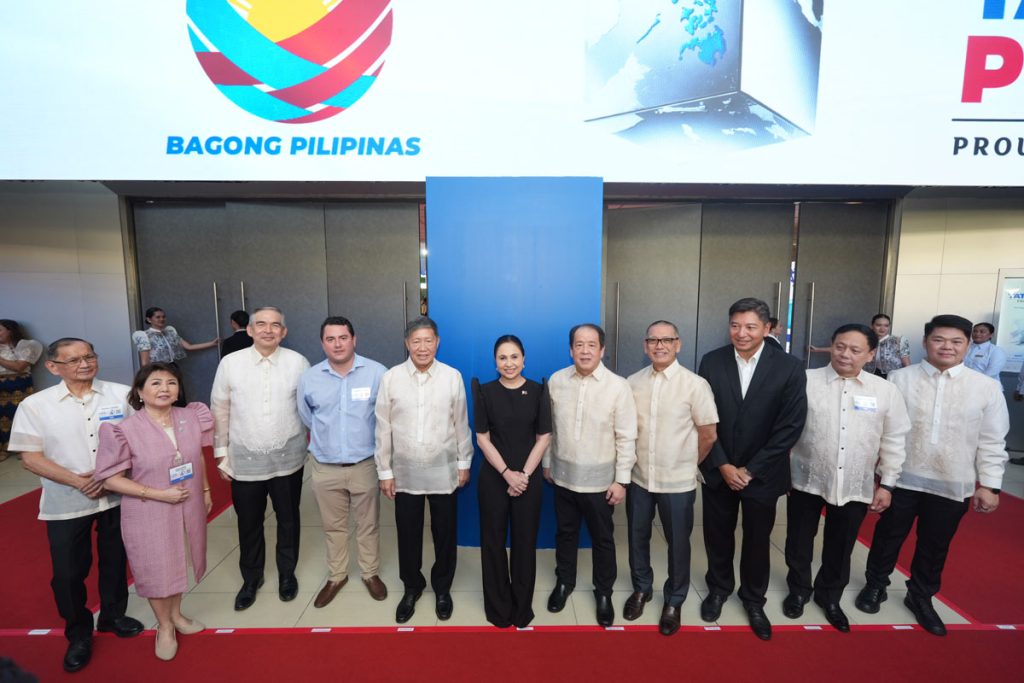
The Expo brought together stakeholders from government, industry, business, media, development organizations, academe, and the entrepreneurial sector in a large-scale national platform designed to highlight the Philippines’ industrial competitiveness agenda and showcase Filipino excellence across strategic industries.
Guided by President Ferdinand Marcos Jr.’s directive to strengthen domestic industries, boost manufacturing, facilitate export growth, and capacitate micro, small, and medium enterprises (MSMEs), the government institutionalized its industrial policy through Republic Act No. 11981, or the Tatak Pinoy (Proudly Filipino) Act. The law established the Tatak Pinoy Strategy (TPS), the country’s first institutionalized national industrial policy designed to move Philippine industries up the value chain, generate quality jobs, and enhance global competitiveness.
Through the Tatak Pinoy Council led by the DTI under the leadership of Trade Secretary Cristina A. Roque, the TPS aligns government and private sector efforts toward building an inclusive innovation ecosystem that empowers industries, human capital, and domestic enterprises to thrive in a global economy. Approved by the President in October 2025 through Memorandum Circular No. 104, the multi-year strategy is projected to generate ₱7.04 trillion in GDP impact, create 11.13 million jobs, and contribute ₱837.39 billion in government revenues by 2040. The strategy also projects significant gains for MSMEs, including ₱11.33 billion in GDP impact, 45,000 jobs, and ₱1.43 billion in government revenues through industry upgrading initiatives.
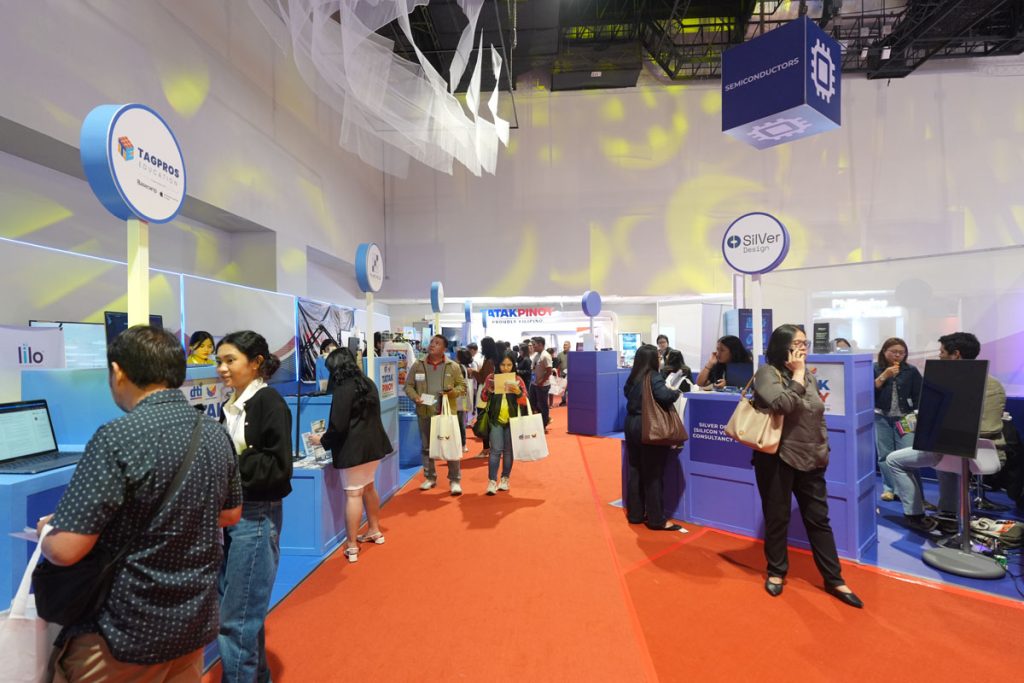
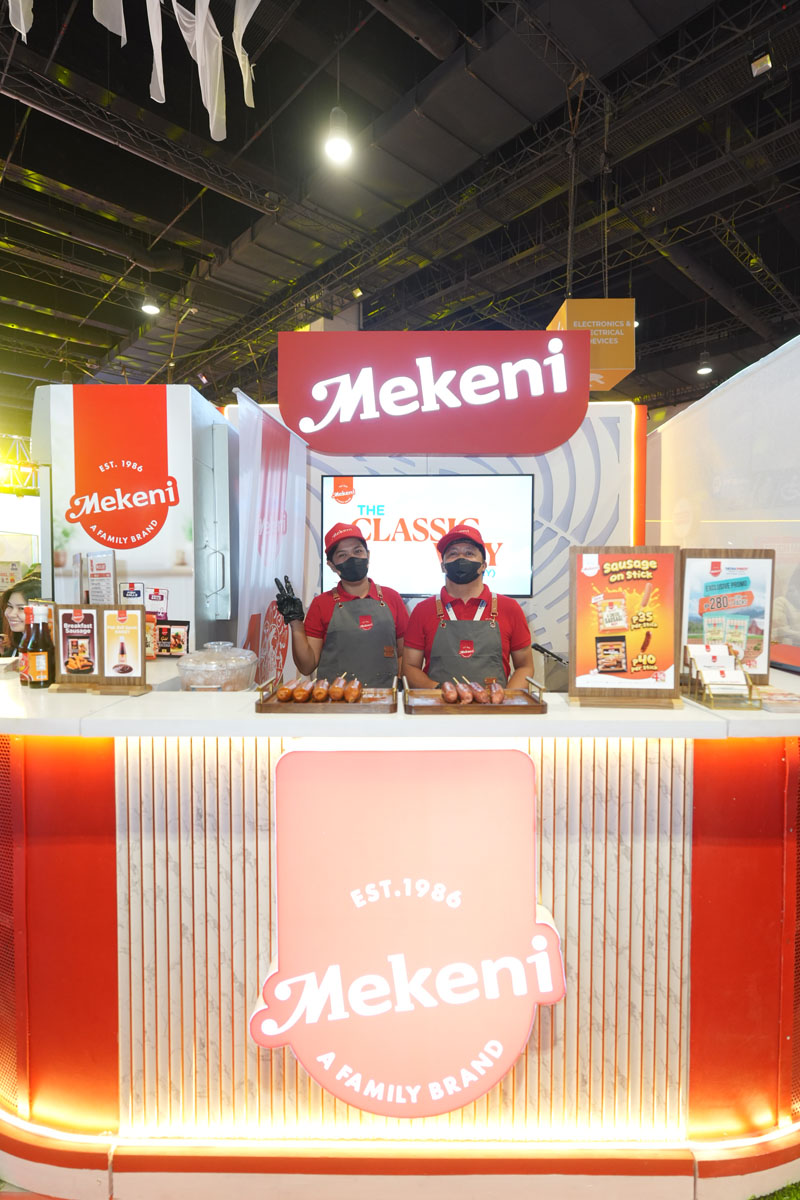
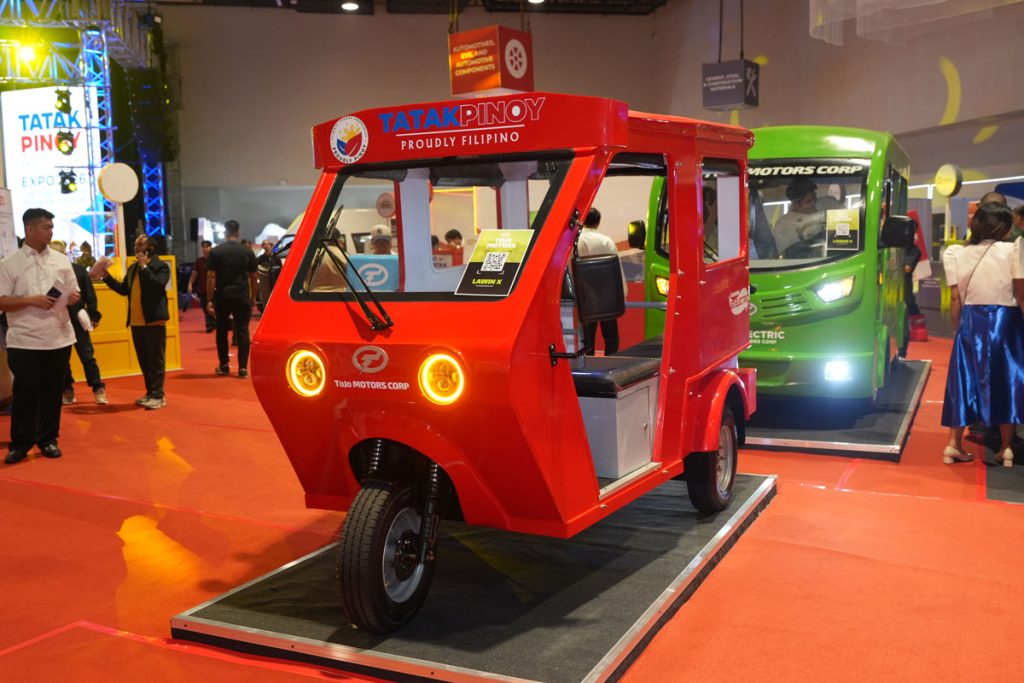
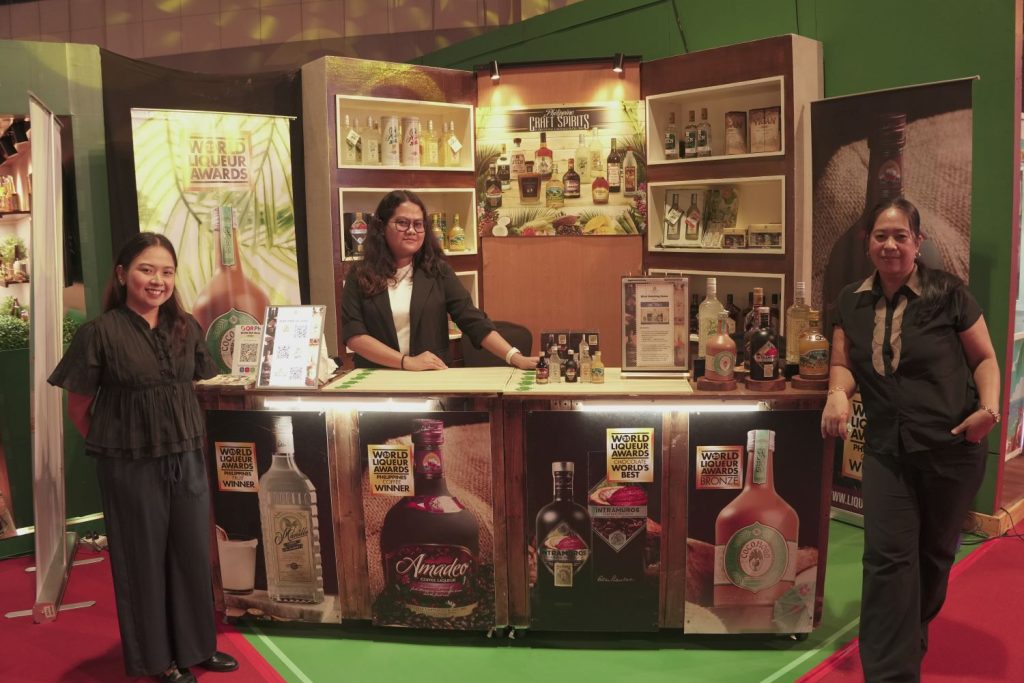
The three-day showcase gathered leaders from government, industry, business, media, academe, and the entrepreneurial sector to advance the country’s industrial competitiveness agenda and celebrate globally competitive Filipino industries.
Building on the momentum of the Tatak Pinoy Program launch held in December 2025, which introduced the country’s nine priority industrial sectors through curated exhibitions and industry participation, the Tatak Pinoy Expo 2026 expanded the initiative into a broader national platform that convenes key stakeholders from government, industry, business, media, development organizations, and the entrepreneurial sector.

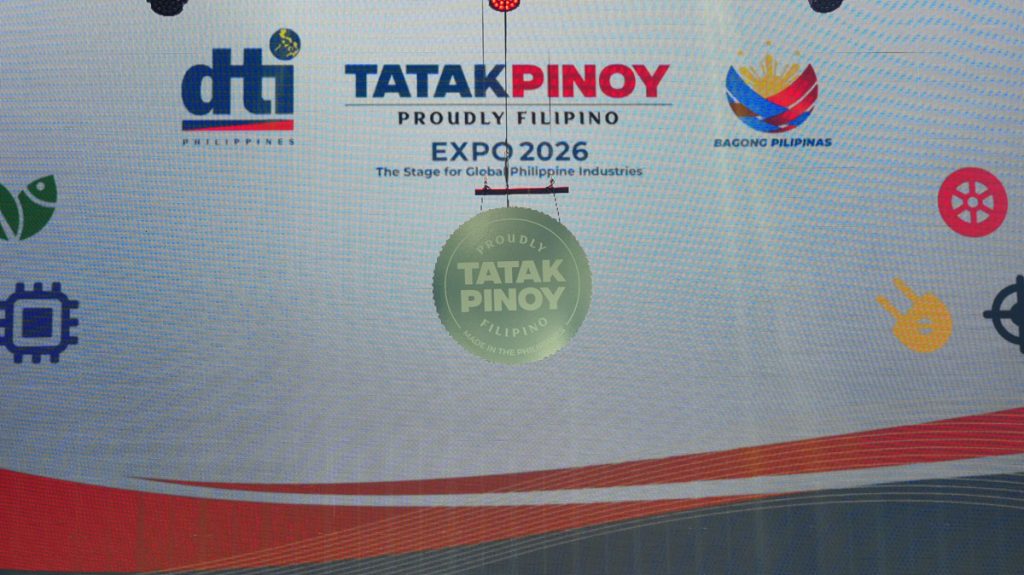
A key highlight of the Expo was the launch of the Tatak Pinoy Brand Campaign, which outlined stakeholder engagement strategies aimed at strengthening recognition of the initiative in both local and international markets. The event also featured the introduction of the Tatak Pinoy Seal, the government’s new certification mechanism identifying high-quality, innovative, and globally competitive Filipino-made products and services.
Central to the event were immersive exhibitions and industry booths representing the nine priority sectors identified under the Tatak Pinoy Strategy: Information Technology and Business Process Management (IT-BPM); Food and Agro-Processing; Cement, Steel, and Construction Materials; Semiconductors; Electronics and Electrical Devices; Automotive, E-Vehicles, and Automotive Components; Pharmaceuticals, Diagnostics, and Health Products; Defense Manufacturing; and Chemicals and Industrial Inputs.
Over the three-day run, visitors engaged with exhibitors, participated in learning sessions and discussions, and explored how Tatak Pinoy sought to strengthen domestic industries while positioning Philippine products and services for greater success in global markets. The Tatak Pinoy Expo 2026 stands as a powerful platform to champion Filipino excellence, innovation, and global competitiveness, demonstrating how industrial policy can translate policy into concrete opportunities for industries, enterprises, and workers alike.